



INTERVIEW WITH TONY RIVERS
INTERVIEW WITH TONY RIVERS (TRADUCCIÓN ABAJO)
The idea for this interview was born in the depths of a pub, amidst pints and the sounds of mod revival vinyl. During one of his visits to the Basque Country, my friend Gwill told me he knew the great Tony, none other than one of the authors of the legendary Soul Crew book: *The Inside Story of Britain's Most Notorious Hooligan Gang*. As luck would have it, I found that book in a secondhand shop during my stay in Dublin. Unfortunately, back then my English was even worse than it is now, so I never finished reading it.
He is also one of the authors of a more recent book, Magnetic Book, which we will also discuss at length in this interview.
Without further ado, here are the questions:
1. Like any casual culture enthusiast, my interest in this world stems from a love for certain colors. How did you become a Cardiff City fan?
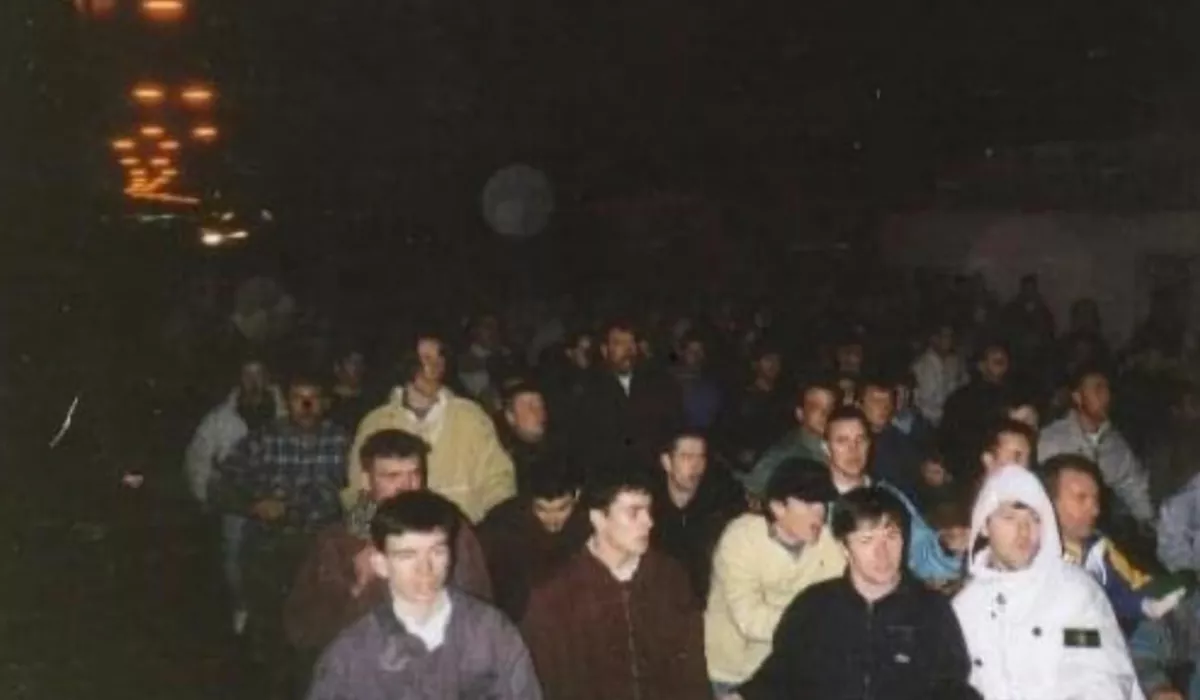
It was my mother who took me to my first Cardiff City game at the age of 9/10. I’d nagged her for long enough that she had to give in eventually. At the old Ninian Park. There was a red and white bus that went through the canyon valley called the ‘ Football Special´ that took us at the time. A few years later when I was 12 was the first time I went with friends independently with no parents.
2. You were part of the famous Soul Crew, which led you to be one of the authors of Soul Crew: The Inside Story of Britain's Most Notorious Hooligan Gang, that book published in 2002. What led you to experience football in that way?
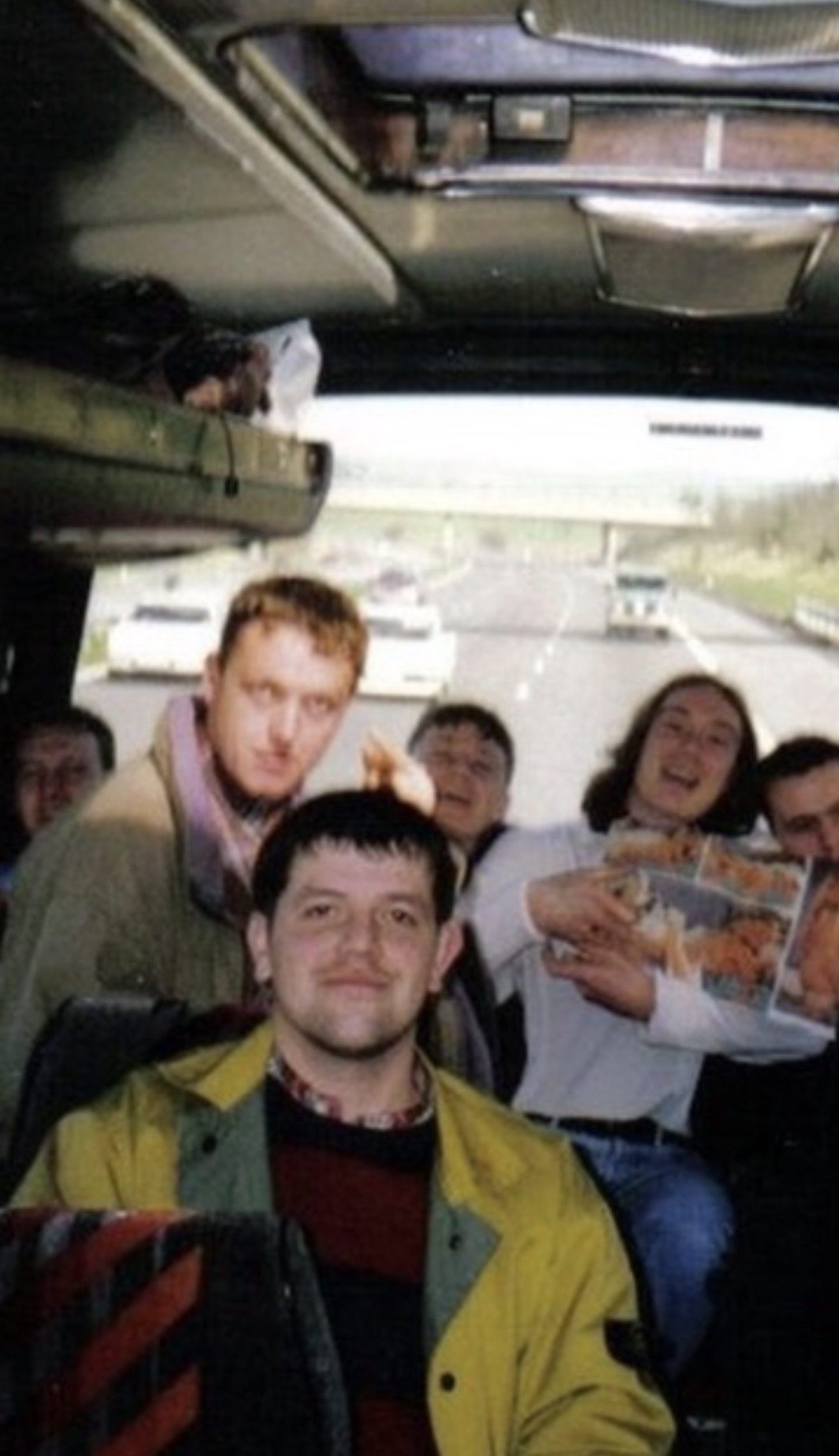
As I described in Soul Crew it was ‘small steps‘ from being just a normal football fan with a love of the game to eventually regularly getting into trouble at the match. I was first and foremost into the dressing scene which was intrinsically linked to football violence.
3. You lived through a time when the atmosphere of war was palpable in the streets every weekend, but also a time when the police could knock on your door at any moment. What's the best thing hooliganism has given you? And the worst?
Its taught me to impart plenty of knowledge to my son on the pitfalls. It’s a totally different culture nowadays at Cardiff City which im glad of. Quite a few of our old heads now travel with the official Supporters Club. Its gone full circle from where I started out as a young teen.
4. The book speaks frankly about your experiences during those away days, the repression, and drugs. Why did you decide to document all of that?
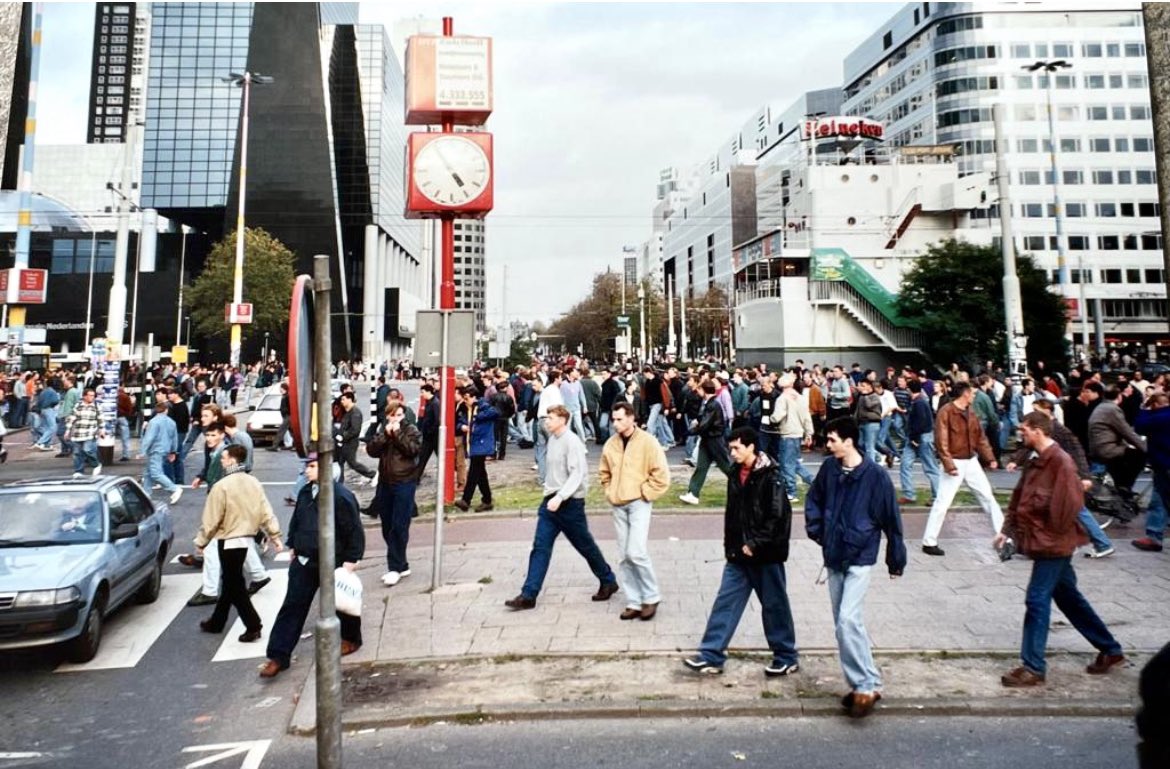
To be honest I left quite a bit out! Soul Crew was quite diplomatic. We could have delved a lot more.
5. We don't understand casual culture without music; they go hand in hand. We're big fans of what was popular in the islands in the '80s and '90s. Was it part of something important for you back then? Is music something that moves you?
I think it was Malcolm McClaren who said if you don’t love music then you have nothing. The more sophisticated football heads you’d always see at gigs. From the more popular bands through the decades to the obscure, random acts that were making a name for themselves in smaller, niche circles. I ran a pub for five years and put acts on every week. Covers, tributes, originals, all genres from country to hip hop, punk, indie, metal whatever. If its good I’ll enjoy it.
6. Your book hasn't just caught our attention. It sold over 20,000 copies. Irvine Welsh himself, author of Trainspotting, even started a project to adapt the book into a film. We've found some press reports, but it's not entirely clear what happened. What really went down that road?
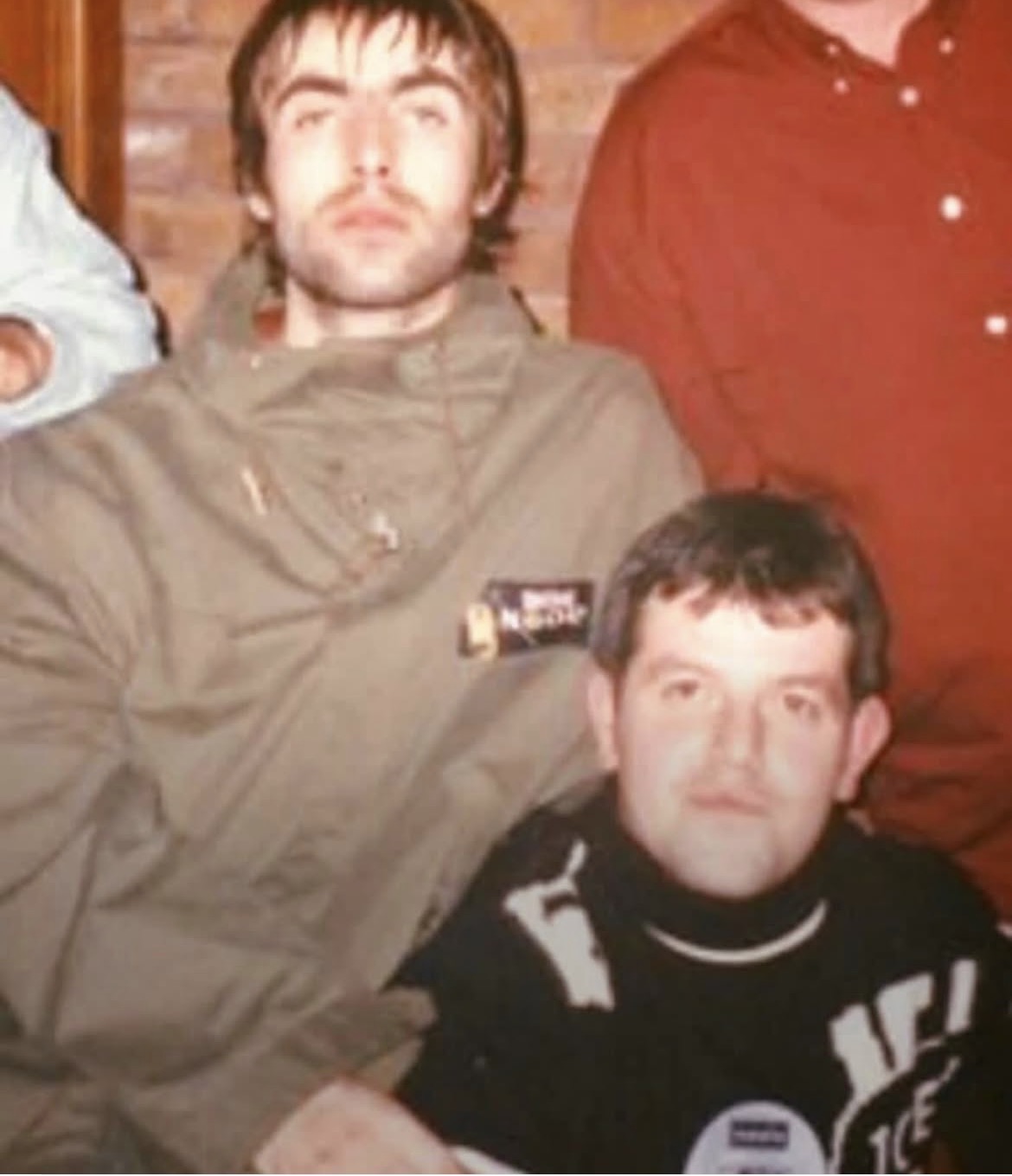
That’s correct but it was 20,000 copies in its first year. It improved a lot after . Irvine Welsh loved Soul Crew and his film company bought the option to the book . We had several meetings, an initial script was written but it never got off the ground. At the time we were getting a lot of negative press from the welsh media. Which actually boosted sales and when Panorama did an undercover expose of us, they spoke about the book . From then it blew up. No publicity is bad publicity as they say. It started a friendship with Irvine who has been to watch Cardiff many times. He’s a great man.
7. Let's talk about aesthetics, let's talk about clothing. What has been the evolution of the aesthetics in the stands in Wales since you started until now? What do you think are the differences compared to the rest of the United Kingdom?
When I first discovered dressing the standards were very high. Originality was peaking, which is probably down to the amount of labels and independent menswear shops at the time. Literally hundreds. A lot of mobs had their own individuality and Cardiff were no different to anyone else. I was obsessed with it from an early age. Maybe why I still enjoy writing about it 40 years later!
8. Is it true that in the scene, dressing well was synonymous with being a front-line player or a tough guy? Of course, I'm not talking about today.
Not really. In the ICF documentary one of the West Ham lot says that it doesn’t matter who the best fighters were, as long as when it came on top you were stood with your mates and did your best that’s what mattered. Ive stood next to top dressers and boys who couldn’t give a fuck what they wore but who loved to row, then there are those who gleaned fake reputations in small circles. There were / are lots of bluffers out there.
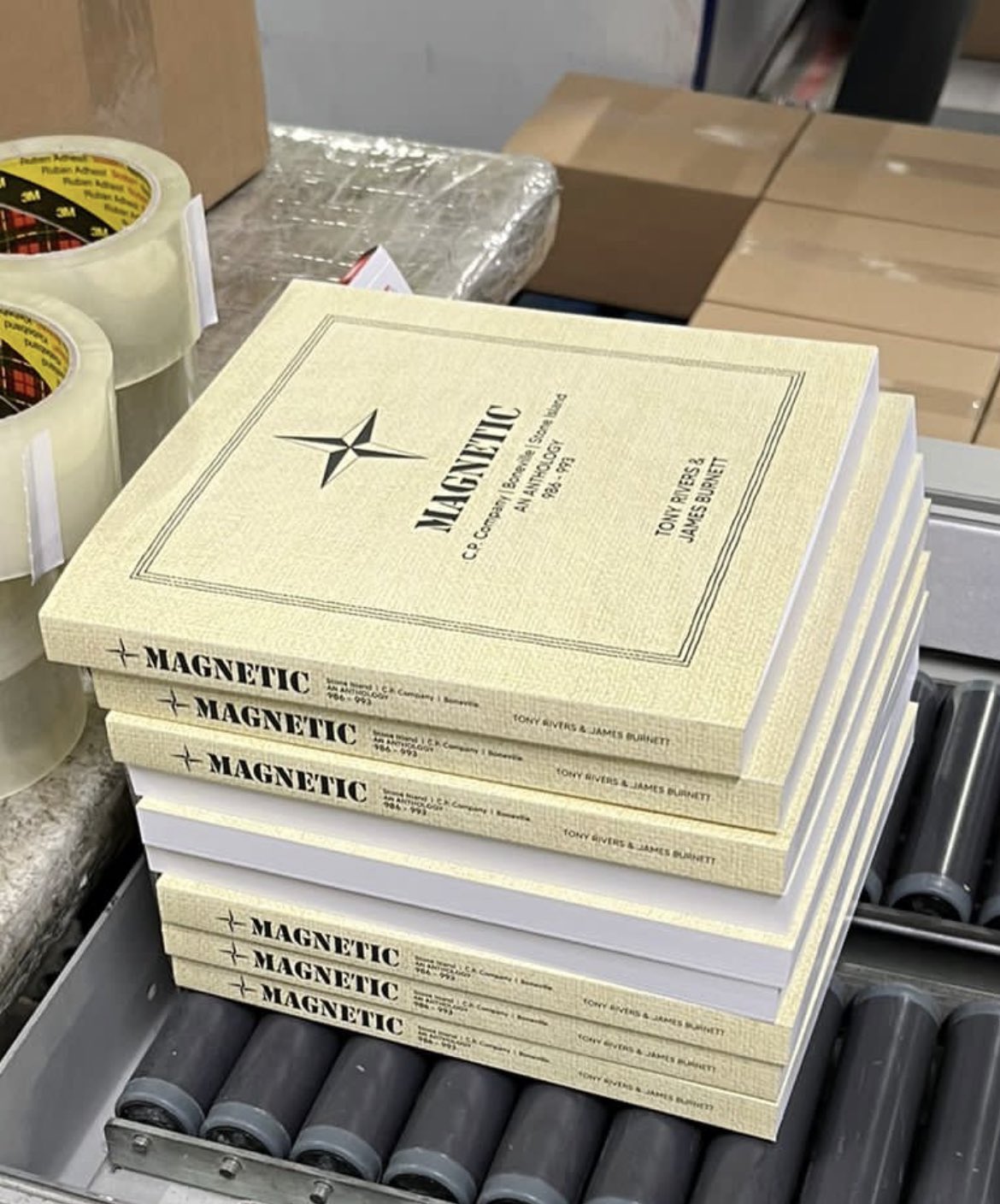
9. Magnetic Book is your latest project with James Burnett, a work that connects fashion with fan culture, subcultures, clubs, and raves. For those who haven't bought the book, why that name? What message did you want to convey?
We wanted to write something that was totally original. Other books written about Massimo Osti and those labels were all focussed on the production side of it. We went in from street level up, describing in detail why these labels were so popular and where they emerged from.
10. We imagine that compiling all those images and files wasn't an easy task; you must have had the collaboration of many dedicated people. What was that process like? Was there any story or image that particularly moved you when you recovered it?
We had enough background knowledge to know who to approach. It took over 2 and a half years to complete. We’re very proud of it and the response has been amazing. From our peers on the terraces to the academic and professional fashion world. We’ve been blessed.
11. Not long ago you launched a small collection with Cambrensis called Genoa, announced as the first of your collaborations. How did this idea come about? What was the creative process like? Do you have any previous experience in the world of garment production?
Cambrensis are an independent welsh label created by Ioan Bowen Pickett. Ive been following them for a while and their interest in welsh heritage. After Magnetic came out I broached the subject of the history of Italian welsh migration and the rich stories behind it. That’s when we came up with Genoa. I have had some small experience with garment production but loving this collaboration. Another busy year booked in already.
12. Buying a garment in the 90s is nothing like getting it today. How did you manage to get your hands on the most exclusive pieces? What were your obsessions?
I loved it when it was word of mouth. A new label or look would literally become popular on who started wearing it and the say so of certain individuals. As we wrote in Magnetic in those early days late 80s into 90s other influences included the men’s fashion magazines out at the time like Arena or FHM. Getting to find out who had the best independent shops was all part of it. I travelled every where with the football. From Blackpool to Cambridge. Chesterfield to Northampton. Doncaster to Hereford and beyond. An away day often came with a visit to another menswear shop. Unfortunately the days of those family run shops are almost over.
13. Stone Island was founded in 1982, but it wasn't until later that patches started appearing in the stands. At what point and how would you say the brand was adopted by the hooligans?
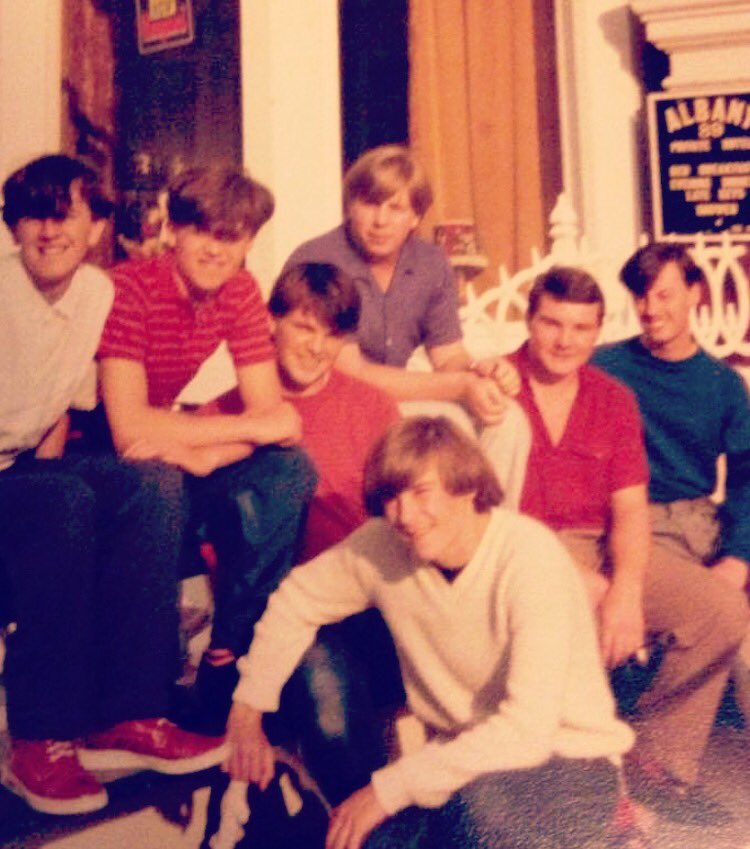
In Magnetic we have evidence of a few football lads wearing Osti in the mid 80s. I saw in popular in London by 1989. There wasn’t a mass look UK wide until at least 1993.
14. In recent years, Stoney has become much more accessible. The target audience is different, as evidenced by the urban artists, celebrities, and footballers who wear the brand today. Who wore Stoney in the '90s, and who wears it now?
Stone Island was worn by all kind of clientele in the early 90s. To paraphrase Ray Bacon from Woodies he said it was all very understated at the time with tonal colours and discrete branding. When Massimo Osti stopped designing Stone Island, Ray said he saw a change in philosophy. Nowadays its huge advertising campaigns with actors, musicians or online ‘ influencers ‘. The RRP have gone through the roof which has been mocked in certain quarters. The USA have seen some of the biggest flagship stores open there. Stone Island have also tried there to attract the A list from the Hollywood jetset. My first visit to New York in 1997 it was mostly worn in the cities gay nightlife scene. Only a couple of choice places at the time stocked it in the states. Nowadays its possibly every where.
15.- A few years ago Monclair acquired Stone Island, we would like to know how you see Osti's legacy, would you say that part of the identity has been lost along the way?
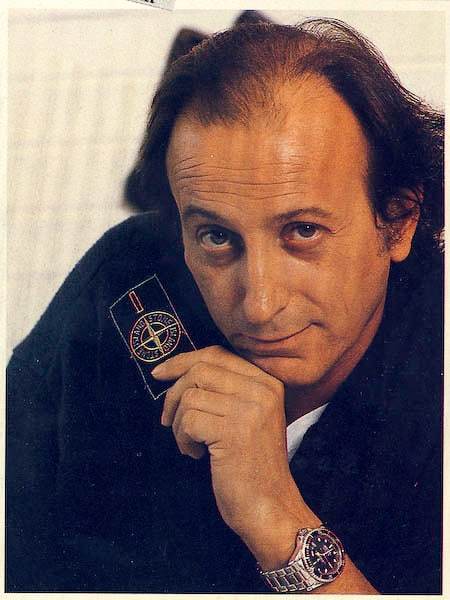
A lot of the purists stopped wearing it around the same time Massimo Osti left. Since then its popularity has become stratospheric. As said above they now want to be seen as a leading haute couture brand alongside houses like Dior who they’ve recently collaborated with. I’m not sure how many of the support base over the last few decades are spending three grand on their latest addition. I know I’m not!
- Dotore Questionnaire
- A book: The hand of God by Jimmy Burns
- A film: Heat
- A song: Sabotage by the Beastie Boys
- A concert you'll never forget: Public Enemy – Bristol Academy
- An essential item of clothing: This time of year - Barbour Beaufort
- Someone to have a beer with: Alive - Mark Ruffalo . Dead – Diego Maradona
ENTREVISTA A TONY RIVERS
La idea de esta entrevista nació en las profundidades de un Pub, entre pintas y sonido revival mod en vinilo. En una de sus visitas por tierras vascas, mi amigo Gwill me dijo que conocía al bueno de Tony, nada más y nada menos que unos de los autores del mítico libro de la Soul Crew: The Inside Story of Britain's Most Notorious Hooligan Gang. Da la casualidad que encontré ese libro en una tienda de segunda mano durante mi estancia en Dublín. Desgraciadamente en aquel entonces mi nivel de inglés era incluso peor que el de ahora, por lo que nunca terminé de leerlo.
También es uno de los autores de un libro más actual como es Magnetic Book, del que también hablaremos largo y tendido en está entrevista.
Sin más dilación, os dejamos con las preguntas:
1. Como todo amante de la cultura casual, la inquietud por este mundillo nace con el amor hacia unos colores. ¿Cómo te hiciste fan del Cardiff City?
Fue mi madre quien me llevó a mi primer partido del Cardiff City cuando tenía 9 o 10 años. Le había dado la lata durante tanto tiempo que al final tuvo que ceder. Fue en el antiguo Ninian Park. Había un autobús rojo y blanco que recorría el valle de Cynon llamado «Football Special» que nos llevó en aquella ocasión. Unos años más tarde, cuando tenía 12 años, fue la primera vez que fui con amigos por mi cuenta, sin mis padres.
2.- Has formado parte de la famosa Soul Crew, lo que te ha llevado a ser uno de los autores de Soul Crew: The Inside Story of Britain's Most Notorious Hooligan Gang, aquel libro publicado en 2002. ¿Qué es lo que te llevó a vivir el fútbol de esa manera?
Como describí en Soul Crew, fueron «pequeños pasos» los que me llevaron de ser un simple aficionado al fútbol al que le encantaba el deporte a acabar metiéndome en líos con regularidad en los partidos. Lo primero que me atrajo fue la escena de los «dressers», que estaba intrínsecamente ligada a la violencia en el fútbol.
3. Viviste una época en la que la guerra se respiraba en las calles cada fin de semana, pero también aquella en la que la policía podía llamar a tu puerta en cualquier momento. ¿Qué es lo mejor que te ha dado el hooliganismo? ¿Y lo peor?
Me ha enseñado a transmitir a mi hijo muchos conocimientos sobre los peligros. Hoy en día, la cultura del Cardiff City es totalmente diferente, lo cual me alegra. Muchos de nuestros veteranos viajan ahora con el club oficial de aficionados. Se ha cerrado el círculo desde que empecé como adolescente.
4. El libro habla sin tapujos sobre vuestras experiencias en aquellos away days, la represión o las drogas. ¿Por qué decidiste documentar todo eso?
Para ser sincero… ¡me dejé muchas cosas fuera! Soul Crew fue bastante diplomático. Podríamos haber profundizado mucho más.
5. Nosotros no entendemos la cultura casual sin la música, son cosas que van de la mano, somos muy fans de aquello que sonaba en las islas en los 80 y en los 90. ¿Formaba parte de algo importante para ti por aquel entonces? ¿La música es algo que te mueve?
Creo que fue Malcolm McClaren quien dijo que si no amas la música, no tienes nada. Los hinchas del fútbol más sofisticados siempre acudían a los bolos. Desde las bandas más populares a lo largo de las décadas, hasta los grupos desconocidos y aleatorios que se estaban haciendo un nombre en círculos más pequeños. Dirigí un pub durante cinco años y organizaba actuaciones todas las semanas. Versiones, tributos, temas originales, todos los géneros, desde el country hasta el hip hop, el punk, el indie, el metal, lo que fuera. Si es bueno, lo disfruto.
6. Tu libro no solo ha llamado nuestra atención. Se vendieron más de 20.000 ejemplares. El mismísimo Irvine Welsh, autor de la novela Trainspotting, emprendió un proyecto para adaptar el libro a un guión cinematográfico. Hemos encontrado noticias de prensa pero no nos queda claro qué fue lo que pasó. ¿Cómo fue aquello realmente?
Es cierto, pero fue en el primer año cuando se vendieron 20.000 ejemplares. Después mejoró mucho. A Irvine Welsh le encantó Soul Crew y su productora cinematográfica compró los derechos del libro. Tuvimos varias reuniones, se escribió un guión inicial, pero nunca llegó a materializarse. En aquella época recibimos mucha publicidad negativa por parte de los medios de comunicación galeses. Lo cual, en realidad, impulsó las ventas y, cuando Panorama hizo un reportaje encubierto sobre nosotros, hablaron del libro. A partir de entonces, se disparó. Como se suele decir, no hay mala publicidad. Así comenzó mi amistad con Irvine, que ha venido a ver al Cardiff muchas veces. Es un gran hombre.
7. Hablemos de estética, hablemos de ropa. ¿Cual ha sido la evolución de la estética en las gradas de Gales desde que empezaste hasta hoy? ¿Cuáles crees que son las diferencias con el resto del Reino Unido?
Cuando descubrí por primera vez la moda, los estándares eran muy altos. La originalidad estaba en su apogeo, lo que probablemente se debía a la cantidad de marcas y tiendas independientes de ropa masculina que había en ese momento. Literalmente, cientos. Muchas firmas tenían su propia individualidad y Cardiff no era diferente a los demás. Me obsesionó desde muy temprana edad. ¡Quizás por eso sigo disfrutando escribiendo sobre ello 40 años después!
8. ¿Es verdad que en el mundillo, vestir bien era sinónimo de ser un first line o un tipo duro? Por supuesto no hablo de hoy en día.
En realidad, no. En el documental de la ICF, uno de los miembros del West Ham dice que no importa quiénes fueran los mejores peleando, lo importante era que, cuando llegara el momento, estuvieras junto a tus compañeros y lo dieras todo. Me he movido junto a los mejores vestidos y junto a chicos a los que les importaba una mierda lo que llevaran puesto, pero a los que les encantaba darse de ostias. Luego están los que se ganaron una reputación falsa en pequeños círculos. Había y hay mucho flipado por ahí.
9. Magnetic Book es tu último proyecto junto a James Burnett, un trabajo que conecta la moda con la cultura de grada, subculturas, clubs y raves. Para quien no haya adquirido el libro. ¿Por qué ese nombre? ¿Qué es lo que habéis querido transmitir?
Queríamos escribir algo totalmente original. Otros libros escritos sobre Massimo Osti y esas marcas se centran exclusivamente en el aspecto productivo. Nosotros partimos de la calle y describimos con detalle por qué estas marcas eran tan populares y de dónde surgieron.
10. Imaginamos que recopilar todas esas imágenes y archivos no ha sido una tarea fácil, seguro que habéis contado con la colaboración de mucha gente muy involucrada. ¿Cómo ha sido esa tarea? ¿Hubo alguna historia o imagen que os emocionara especialmente al recuperarla?
Teníamos los conocimientos suficientes para saber a quién acudir. Nos llevó más de dos años y medio completarlo. Estamos muy orgullosos del resultado y la respuesta ha sido increíble. Desde nuestros compañeros en las gradas hasta el mundo académico y profesional de la moda. Hemos tenido mucha suerte.
11. No hace mucho lanzasteis una pequeña colección junto a Cambrensis llamada Genoa, anunciada como la primera de las colaboraciones. ¿Cómo surge esta idea? ¿Cómo fue el proceso creativo? ¿Tenéis experiencias previas en el mundo de la producción de prendas?
Cambrensis es una marca independiente galesa creada por Ioan Bowen Pickett. Los sigo desde hace tiempo y admiro su interés por el patrimonio galés. Después de que saliera Magnetic, abordé el tema de la historia de la migración galesa a Italia y las interesantes historias que hay detrás. Fue entonces cuando se nos ocurrió Genoa. Tengo poca experiencia en la producción de prendas de vestir, pero me encanta esta colaboración. Ahora tengo otro año muy ajetreado por delante.
Comentarios
Sin comentarios en este momento!
Deje su comentario